 MCCR
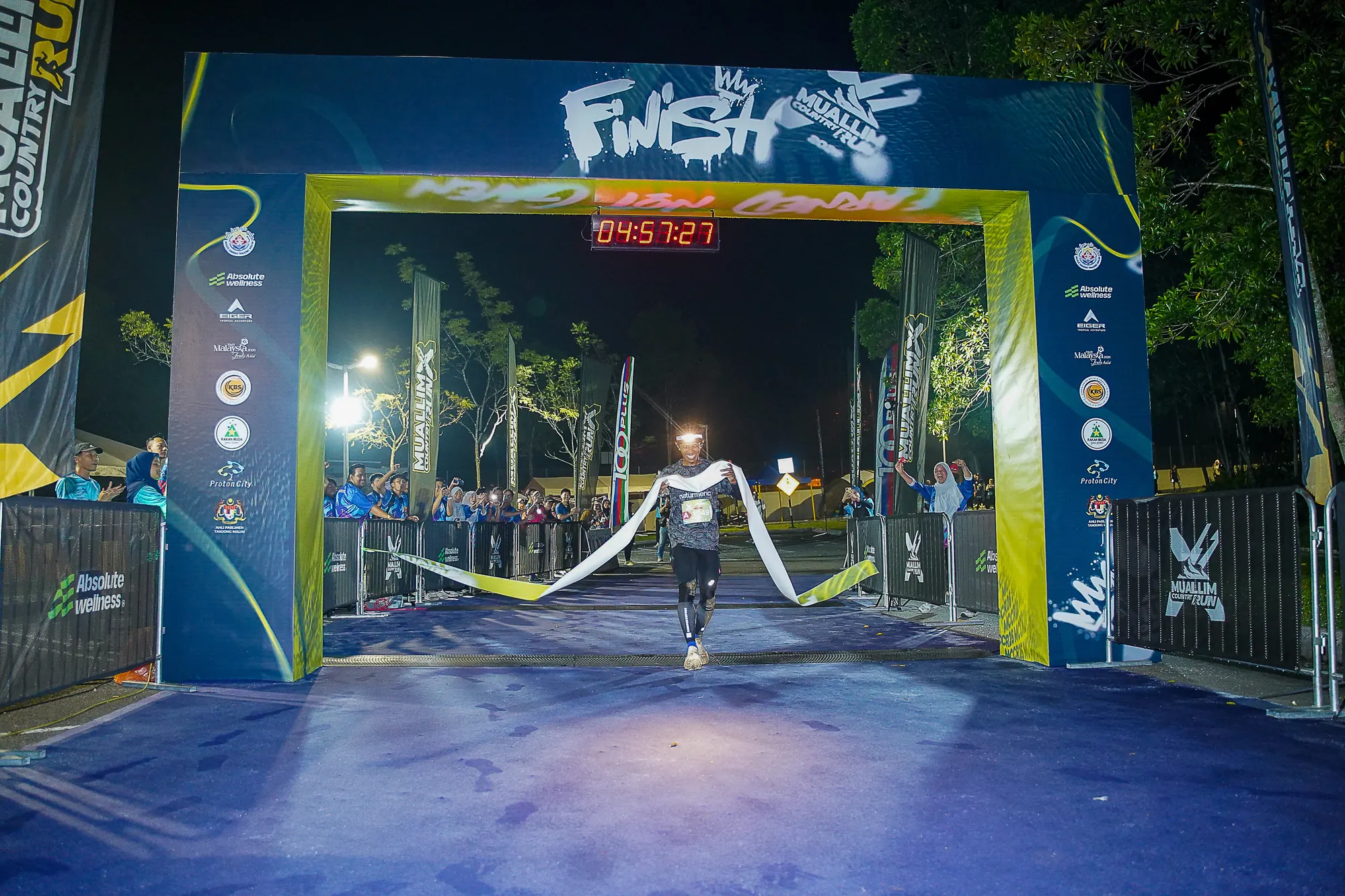
A 50KM trail ultra training plan written for cool mountain races won’t fully prepare you for the tropics. In Malaysia you also face humidity that never lets up, mud after rain and, at races like the MCCR 50KM, a start in the dark.
This guide is built around those conditions. It assumes you have already finished a trail race of 25KM or more, which is the recommended starting point for the MCCR 50KM.
Know what you are training for
The 2026 MCCR 50KM gives a clear picture of the demands:
| Factor | 2026 MCCR 50KM |
|---|---|
| Distance | 49.5 KM |
| Elevation gain | 1,720 M+ |
| Start | 11pm Saturday |
| Terrain | Single-track, river crossings, ridgelines |
| Winning times | 4:57:25 (men), 6:57:28 (women) |
For most runners this is a long night and morning. In 2024, ITRA listed a 12-hour time limit. Train for the time you will be out there, not just the distance.
The 16-week structure
Allow at least 16 weeks. Divide them into four blocks.
Weeks 1–4: base
- Consistency first: run four or five times a week, mostly at an easy, conversational effort
- Trail time: do at least two runs a week on trail
- Strength: add two short sessions a week of squats, lunges, step-ups and calf raises
Weeks 5–10: build
- Back-to-back long runs: build towards weekends of 3–4 hours on Saturday followed by 2 hours on Sunday, on hilly trail
- Weekly hill session: repeated climbs of several minutes, mixing running and power-hiking
- Descending: train on technical downhills to condition your quadriceps; this is where foothill ultras hurt most
Weeks 11–14: specific
- Night running: complete at least three long runs in darkness using your race headlamp
- Race rehearsal: do one long run in your full race kit, at race time, eating your race fuel
- Heat and humidity: run some sessions in the warmest part of the day, carefully, to rehearse your electrolyte strategy
Weeks 15–16: taper
- Reduce volume: cut your weekly distance over the final two weeks while keeping some short efforts
- Sleep: bank sleep in the final week; a night start means a short or missing night’s rest
Night trail running tips
Running single-track by headlamp is a skill. Practise it before race day.
- Use a bright, reliable headlamp: the 2024 MCCR 50KM mandatory kit required at least 100 lumens, with spare batteries or a second light
- Look further ahead: scan a few metres in front, not just at your feet
- Shorten your stride: especially on descents and at river crossings
- Expect to slow down: plan on a slower pace per kilometre than you would run in daylight
- Stay alert to markings: reflective course markings are easy to miss when you are tired
Running in heat and humidity
Humidity stops sweat from cooling you efficiently, so your heart rate rises at a given effort. Manage it:
- Drink to a plan: sip regularly rather than waiting until you are thirsty
- Replace electrolytes: sweat losses in the tropics are high; test your electrolyte products in training
- Slow down after sunrise: conditions intensify as the morning warms, so ease your effort accordingly
- Use the water stations: they are placed along each route
Fuelling
- Eat early and often: practise eating and drinking every 30–45 minutes with the products you will race with
- Mix it up: after several hours, many runners find gels hard to take; try real food in training
- Nothing new on race day: use only what you have tested
Kit checklist
The mandatory kit list is confirmed in each year’s race manual, and kit checks may apply. For reference, the 2024 MCCR 50KM list was:
- Headlamp: at least 100 lumens, with spare batteries or a second light
- Whistle
- Hydration: at least 500ml capacity
- First aid: a basic kit and an emergency blanket
- Cup: a personal drinking cup
- Mobile phone: able to make calls and receive SMS
A rain jacket and GPS device were recommended. Add trail shoes with an aggressive outsole and anti-chafe protection.
Next steps
- See the race: read the full 50KM race page
- Know the terrain: study the course guide
- Understand the index: read what a UTMB Index race in Malaysia means
- Start your block on time: get notified when the 2027 date is announced